Understanding Sports Broadcasting
Definition and Importance of Sports Broadcasting
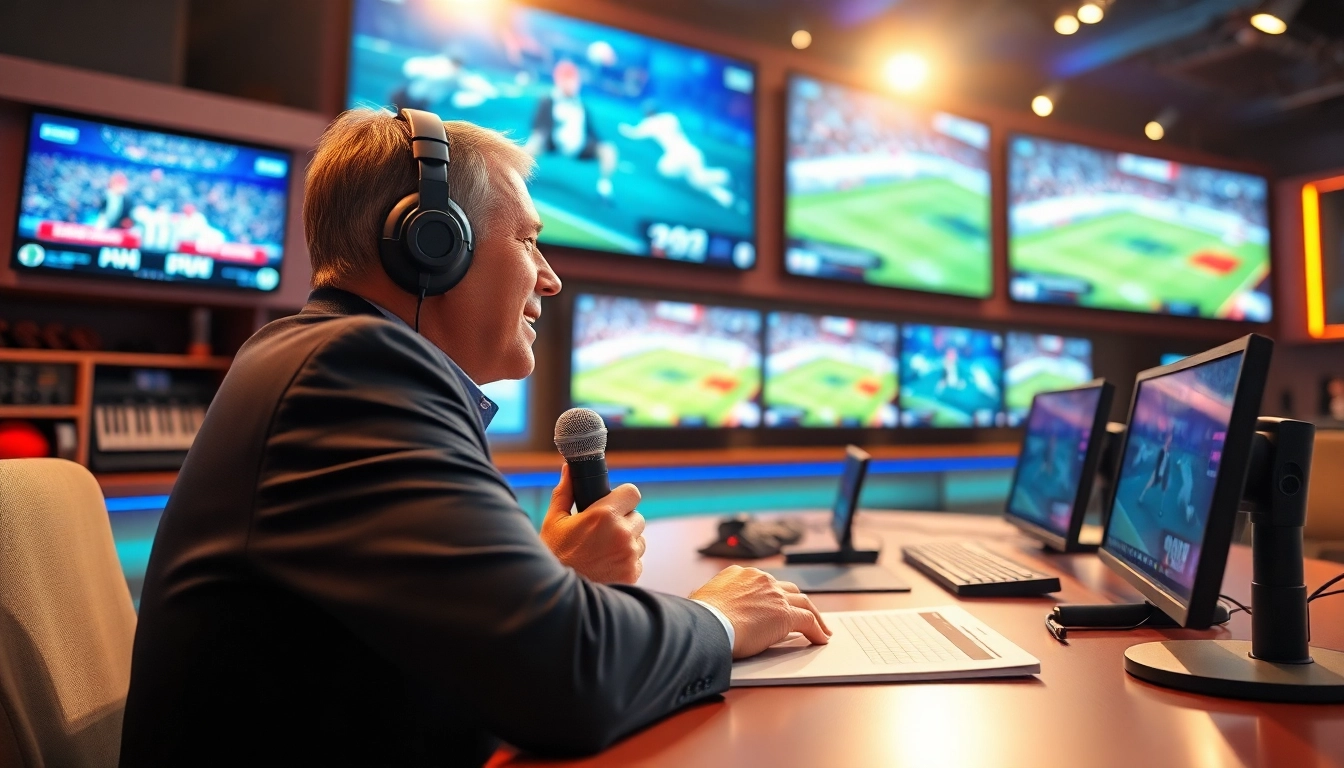
Sports broadcasting refers to the dissemination of sports events and related information through various media platforms, including television, radio, and online streaming. It serves as a bridge between fans and sports, making events accessible to audiences worldwide. The significance of Sports Broadcasting lies in its ability to enhance fan engagement, promote sports, generate revenue through advertising, and provide athletes with a platform to showcase their talents.
The Evolution of Sports Broadcasting
The journey of sports broadcasting started in the early 20th century with radio broadcasts of live sports events. This marked a significant milestone in making sports accessible to the masses. As technology progressed, television took center stage in the mid-20th century, allowing audiences to enjoy live sports in the comfort of their homes. The late 20th and early 21st centuries saw the rise of cable networks and satellite channels, diversifying the content available to sports fans. Today, the advent of the internet and mobile technology has transformed sports broadcasting into a multi-faceted platform, incorporating streaming services and social media, thereby creating a more immersive viewing experience.
Key Players in Sports Broadcasting
The sports broadcasting landscape is populated by various stakeholders, including television networks, streaming platforms, sports leagues, teams, and advertisers. Television networks often hold exclusive broadcasting rights to major sporting events, while streaming platforms have emerged as vital players in the distribution of content. Sports leagues and teams leverage broadcasting deals to enhance their visibility and profitability, whereas advertisers play a crucial role in funding these broadcasts and targeting specific audiences.
Types of Sports Broadcasting
Live Televised Sports Broadcasting
Live televised sports broadcasting is the traditional method of delivering sports content, characterized by real-time coverage of events. This format allows fans to experience the excitement as it unfolds, bolstered by expert commentary and analytical insights. It remains popular due to the high production values and the sense of community it fosters among viewers, especially during significant tournaments or championships.
Online Streaming and Sports Broadcasting
With the rapid rise of high-speed internet, online streaming has revolutionized the way sports are consumed. This model allows fans to watch games on-demand and provides flexibility in viewing options. Various platforms offer specialized sports channels or packages catering to niche sports, further broadening access. Online streaming also enables interactive features such as real-time stats and multi-camera angles, enhancing viewer engagement.
Radio and Sports Broadcasting
Despite the dominance of television and online platforms, radio remains a vital medium for sports broadcasting. It provides play-by-play commentary, engaging fans who may not have access to visual content. Radio broadcasting is particularly valuable in covering local sports and reaching audiences during travel or in areas with limited internet access. Podcasts and mobile apps also offer innovative ways for listeners to engage with sports content on the go.
Technology in Sports Broadcasting
Innovative Tools for Sports Broadcasting
Technology is at the forefront of sports broadcasting, introducing tools that enhance production quality and viewer experience. Advancements in camera technology, such as 4K and 8K resolution, provide stunning visuals, while drones enable unique aerial shots of events. Meanwhile, automation in production allows for smoother broadcasts with reduced reliance on manual labor. These tools contribute significantly to storytelling by enhancing the visual narrative of sports events.
The Rise of Virtual and Augmented Reality in Sports Broadcasting
Virtual reality (VR) and augmented reality (AR) have emerged as groundbreaking technologies in sports broadcasting, creating immersive experiences for viewers. VR allows fans to “attend” events from the comfort of their homes, while AR can provide real-time stats and player information overlayed on the screen. The introduction of these technologies not only attracts a younger audience but also redefines how sports content is presented and consumed.
Importance of High-Definition Broadcasting
High-definition (HD) broadcasting has become the standard for sports coverage, offering viewers sharp images and vibrant colors that enhance the viewing experience. The clarity provided by HD is crucial during fast-paced sports, allowing audiences to catch every detail. The shift to 4K broadcasting is underway, promising an even richer viewing experience. As viewers increasingly demand better quality, broadcasting platforms must continue to invest in HD and beyond.
Challenges in Sports Broadcasting
Legal and Ethical Considerations in Sports Broadcasting
Sports broadcasting is fraught with legal and ethical challenges, including copyright issues surrounding broadcasting rights, content ownership, and advertising regulations. Broadcasters must navigate complex laws to avoid infringement and ensure fair usage. Additionally, ethical considerations such as accurate reporting and avoiding conflicts of interest are critical in maintaining the integrity of sports journalism.
Technical Challenges in Live Broadcasts
Live broadcasts face technical challenges such as latency issues, equipment failures, and transmission disruptions. To address these, broadcasters must invest in robust infrastructure and backup systems to ensure seamless delivery. Moreover, rigorous testing and rehearsal processes are essential to mitigate risks and provide fans with a reliable viewing experience, regardless of technical hurdles.
Meeting Audience Expectations in Sports Broadcasting
As audiences become more sophisticated, their expectations for sports broadcasting have grown. Viewers now demand interactive features, multiple viewing angles, and personalized content experiences. Broadcasters must adapt by investing in technology and creative strategies that cater to diverse audience preferences. Maintaining engagement through social media interaction and live commentary can also help keep fans invested in the broadcast.
The Future of Sports Broadcasting
Emerging Trends in Sports Broadcasting
The future of sports broadcasting is characterized by several emerging trends, including the rise of esports broadcasting, subscription-based streaming services, and increased focus on personalized content. Esports are gaining traction, offering broadcasters new opportunities to engage a younger audience. Subscription models are becoming popular as fans seek ad-free experiences while access to niche sports content is also on the rise, breaking away from traditional broadcasting norms.
The Impact of Social Media on Sports Broadcasting
Social media has transformed the landscape of sports broadcasting by providing an additional platform for engagement and content sharing. Platforms like Twitter and Instagram allow for real-time updates, fan interaction, and highlights. Sports broadcasters must leverage social media to drive viewer engagement, promote content, and create discussions that enhance the broadcast experience. It also enables broadcasters to tap into the virality of content to reach larger audiences.
Predictions for Future Innovations in Sports Broadcasting
Anticipated innovations in sports broadcasting include advanced analytics, AI-driven content personalization, and enhanced VR experiences. AI can analyze viewer patterns and preferences to tailor broadcasts to individual audiences. Additionally, innovations in authentication and blockchain may ensure the integrity of digital content, providing secure distribution channels for sports broadcasts. Such advancements will define how sports content is produced and consumed in the coming years.
Frequently Asked Questions
What is sports broadcasting?
Sports broadcasting is the transmission of live sports events through television, radio, or online platforms to reach a widespread audience.
How has technology changed sports broadcasting?
Technology has elevated sports broadcasting with high-definition visuals, live streaming options, and interactive features enhancing viewer engagement.
Why are sports broadcasting rights important?
Broadcasting rights determine which networks can air sports events, impacting revenue generation for teams and leagues through advertising and subscriptions.
What role does social media play in sports broadcasting?
Social media amplifies sports broadcasting by fostering real-time interaction, content sharing, and audience engagement, significantly extending reach.
What are the challenges in sports broadcasting?
Challenges include legal issues, technical difficulties in live broadcasts, and meeting high audience expectations for content quality and engagement.